
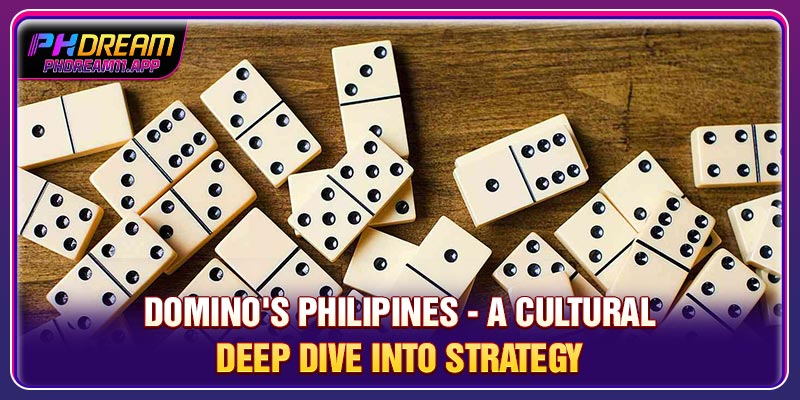
The classic pastime of connecting numbered tiles holds a special place in the hearts of Philippines. Far beyond a simple chance encounter, this Domino’s Philipines serves as a fascinating lens into the nation’s social life, requiring sharp mental acuity and tactical foresight. Prepare to transform from a casual player into a strategist by mastering this guide and joining the thriving community found on the PHDream casino.
Origin and cultural footprint of the Philippines tile game
The tiles likely arrived in the country through Spanish colonial influence or bustling Asian trade routes, slowly adapting from European standards. Over generations, the foundational rules morphed into localized variations, reflecting the unique competitive spirit and community focus of the Filipino people. This evolution ensured the game remained deeply relevant and engaging across different regions of the nation. It is this adaptability that has cemented Domino’s Philipines as a national favorite.
The simple act of playing this game acts as a powerful social lubricant, drawing people together. It frequently serves as the lively centerpiece of family reunions, local festivals, and informal meetups in neighborhood settings. By fostering lighthearted competition and shared concentration, the pastime strengthens community bonds and provides a common language across generations. The sheer ubiquity of the social pastime confirms the widespread appeal of Domino’s Philipines.
Different provinces across the archipelago often boast their own slight modifications to the standard rules, leading to diverse and exciting playing styles. While the core objective remains constant, local names and specific scoring methods vary, necessitating player flexibility. This regional flavor adds significant complexity and richness to the overall experience of playing the tile game across the islands.
The game’s presence is not limited to physical tables; its imagery and terminology frequently appear in Filipino cinema, literature, and everyday proverbs. Phrases referencing the tiles are often used to describe strategic maneuvers or impending conclusions in real-life situations. This integration confirms the pastime’s deep-rooted cultural resonance and enduring influence on the Filipino collective consciousness.
Core rules of traditional Domino’s Philippines
Here, we focus on the specific, often distinctive, rules applied by Filipino players concerning tile distribution, scoring, and critical endgame mechanics.
The Domino’s Philipines set and initial distribution protocol

The standard double-six set is universally used, consisting of 28 numbered pieces. Following a thorough shuffle, each player is distributed an equal number of pieces – typically seven in a four-person format. The player holding the highest double (usually 6-6) initiates the first move, setting the tone for the ensuing strategic battle.
Scoring objective and the “Domino” end condition
The primary goal is to be the first to play all your pieces, declaring “Domino!” to end the current round. The victorious player then scores points based on the total remaining dots on their opponents’ unplayed pieces. This clear metric drives aggressive play and forces participants to constantly manage the potential value of every piece left in their hand. The popular variant is often simply known as Domino’s Philipines.
Double tile usage and special scoring rules
Double pieces (such as 3-3 or 5-5) often carry unique strategic weight; some local rules allow doubles to be placed transversely, effectively creating four open ends for play. This can dramatically accelerate the board game’s tempo. Furthermore, these special pieces may sometimes influence bonus points or penalties, adding a layer of risk-reward calculation to their deployment.
Blocking mechanisms and the draw/pass requirement
A crucial defensive maneuver is blocking, where a player places a piece that leaves no corresponding numerical match on the open ends, forcing the next opponent to pass. If the shared reserve pile (boneyard) is not yet exhausted, the blocked participant must draw until a playable piece is found. Otherwise, they must concede their turn by passing.
Winning tips and advanced strategic maneuvers
Victory in this strategy classic is less about luck and more about the calculated deployment of tiles, memory skills, and anticipating the opponents’ final moves.
The art of counting tiles and memory retention
Effective strategy hinges on the ability to track the value and quantity of pieces that have already been played, especially those with high or low numbers. By accurately remembering which pieces remain, a participant can deduce the likely composition of opponents’ hands. This skill is critical for executing timely blocks or ensuring a successful end-game sequence.
Strategic holding and efficient double tile deployment
Players must resist the temptation to play powerful double pieces prematurely. While they offer immediate control, keeping them in reserve can be a powerful end-game tactic, used either to execute a decisive block or to guarantee one’s own victory. Analyzing the distribution of the numbers still needed is key to determining the optimal moment to use these special tiles.
Controlling open ends to dictate the flow
Master strategists actively manage the numerical values available on the two (or four) open ends of the layout. The goal is to maximize the chances of matching one’s own remaining pieces while simultaneously minimizing the options available to competitors. Creating an open end that only you can satisfy is often the fast track to securing a win.
Adjusting play based on the number of participants
Tactics vary significantly between two-person duels and four-person team formats. Duels demand higher risk-taking and more aggressive blocking since opponents hold more pieces. Four-person games emphasize indirect cooperation, reading non-verbal cues from partners, and focusing on eliminating your pieces before the other side. Understanding the dynamic is essential for sustained success. The high-stakes environment in four-person Domino’s Philippines makes partner reading paramount.
Important notes on etiquette and modern play
This final segment covers the unwritten rules of conduct, the dynamics of stakes, and the important differences between playing the classic face-to-face and online.
Etiquette and fair play at the dominoes table
Adhering to unspoken rules of conduct is vital for maintaining the social enjoyment of the pastime. This includes playing at a reasonable pace, handling the pieces respectfully, and showing good sportsmanship regardless of the outcome. Maintaining a friendly atmosphere is often prioritized over competitive intensity in casual Filipino settings.
Notes on stakes and informal wagers
In many Filipino communities, small, informal wagers often accompany the board game, adding a layer of excitement and commitment to each round. New players should be aware of these customs and understand the non-official betting rules prevalent in their specific playing group. Always ensure any monetary involvement remains within comfortable limits and is agreed upon beforehand.
Adapting between digital and physical play

The experience of playing board game on a mobile app differs significantly from a physical encounter. Online play eliminates psychological reads and relies purely on numerical strategy, while physical play demands careful observation of opponents’ body language and reactions. Adapting one’s speed and focus to the platform is crucial for consistent performance.
Awareness of unfair practices and game integrity
While the pastime is cherished, players should remain vigilant against any subtle attempts at cheating or manipulating the tile draw. Emphasis must always be placed on maintaining fairness and transparency, ensuring that every participant enjoys a level playing field. Upholding integrity ensures the legacy of the Domino’s Philipines experience remains one of trust and competitive respect.
Conclusion
The enduring popularity of the Domino’s Philippines pastime speaks volumes about its perfect blend of cultural heritage and strategic depth. From its humble origins to its presence on digital platforms like PH Dream, this tile game continues to challenge and connect millions. By mastering these rules and strategies, you gain not just a competitive edge but a deeper appreciation for this beloved Filipino tradition.